Free — The Social Triangle Library
Most people
never learn
to look.

Most eye contact advice is wrong. The Triangle Method is the science-backed technique used by therapists, coaches, and communication researchers. Three full guides, all free.

Dominant
Social
Intimate
Avoidant
50/70
The rule most people get backwards
3
Zones in the Social Triangle
3
Free books in the library
11s
Average gaze duration before discomfort

Eye contact is the first thing
people judge you on.

Before you say a word. Before they know anything about you. Your gaze tells them whether you're present, confident, and safe to engage with.

Most people either stare too long and make it weird, or avoid it entirely and come across as nervous or untrustworthy. The Triangle Method is the middle path. It's what relaxed, confident people do naturally — and what you can learn deliberately.

55%
of emotional meaning carried by body language and eye contact
70%
eye contact while listening signals genuine engagement
50%
eye contact while speaking is the natural, non-threatening target
2x
people overestimate how much others notice their anxiety signals
The Triangle Method Guide — Chapter One

Nobody actually taught you this.

There's no class for this. No syllabus covering how long to hold eye contact. No lesson on how to enter a group conversation without it being awkward. No coach explaining that small talk isn't actually about the weather. Nobody sits you down at 14 and walks you through the unwritten rules.

Neurotypical people absorb this stuff through thousands of low-stakes social interactions spread over years. It goes in automatically. If your brain works differently, or anxiety got in the way, or you just had a rough social environment growing up, that process got interrupted.

So you arrive at adulthood knowing how to do genuinely hard things. But you still dread walking into a party alone. You still can't hold eye contact without it feeling like a staring contest or a crime. That gap feels shameful. It is not. It's just a gap. Gaps can be filled.

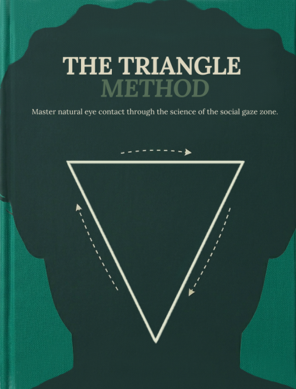
The Triangle Method is where we start. Rather than locking onto one eye (which creates intensity and discomfort for both people), you gently rotate your focus within the natural triangle formed by the two eyes and the mouth. It's what relaxed people do automatically. It produces warm, natural-feeling eye contact without the staring contest energy.

The science behind it ties directly to how your nervous system broadcasts threat vs. safety signals. When your gaze is stiff and locked, it reads as either aggressive or anxious. When it moves naturally within the social zone — the eyes-to-mouth triangle — it signals...

Three books. All free.

The complete system for social skills, eye contact, and body language. Written for people who find this stuff genuinely hard.

The Triangle Method
Book one

The Triangle Method Guide

The science behind natural eye contact. The full method, explained from the ground up.

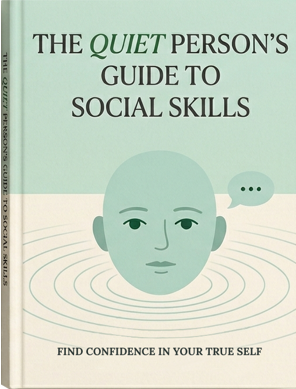
The Quiet Person's Guild to Social Skills
Book two

The Quiet Person's Guide to Social Skills

Everything neurotypicals absorbed by accident, made explicit. CBT frameworks, exposure therapy, social anxiety, autism, ADHD. No fluff.

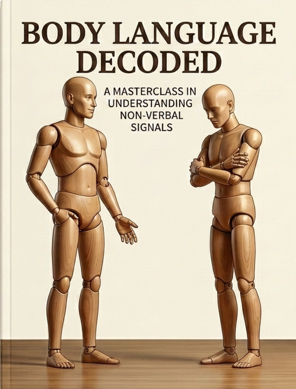
Body Language Decoded
Book three

Body Language Decoded

What your posture, hands, and face are broadcasting before you say a word. How to read other people. The confident vs. anxious cluster, visualized.

Prefer a physical copy? We're exploring print editions through a publishing partnership. Sign up below and you'll be the first to know if and when hard copies become available.

🔒

All three books. Free.

GazeIQ has more resources in the works to help you self-improve. Get notified aobut any future updates and discounts on any products before anyone else.

No spam. Unsubscribe anytime.

Triangle Method Guide The Quiet Person's Guide Body Language Decoded
✉️

Check your inbox.

The guides are on their way. If you don't see them in a few minutes, check your spam folder.

How the Triangle Method works

Three points. One simple rotation. Natural from day one.

01

Identify the triangle

The social gaze zone is the triangle between the two eyes and the mouth. This is where relaxed, warm eye contact naturally lives. Not the forehead. Not one locked eye.

02

Rotate gently

Instead of staring at one spot, let your focus drift softly between the three points. It's subtle. The other person can't see you doing it. But they feel the warmth of it.

03

Apply the 50/70 rule

While speaking: eye contact about 50% of the time. While listening: about 70%. Natural gaze breaks to the side signal thinking, not evasion.

Built for people who find this hard.

Not for people who already have it figured out.

😰

Social anxiety

If eye contact triggers that amygdala alarm response, this guide explains exactly why and gives you a graduated practice framework that actually desensitizes it.

🧠

Autism & neurodivergence

The unwritten rules of neurotypical interaction, made explicit. The Triangle Method as a learnable system, not an instinct you're expected to already have.

ADHD

Conversation timing, attention management, and staying present without burning out. Practical, specific, not generic productivity advice.

🤫

Introverts & late bloomers

You missed the social development curve somewhere. Doesn't matter. It's learnable now, at any age, deliberately.

Follow along on social.

Eye contact tips, body language breakdowns, and the occasional animated fruit-headed telenovela. Short-form content that's actually useful.

@gazeiq

Want the Triangle Method on your wall?

Clean, minimal, printable in minutes. Refer to it until it's automatic.

Get the Poster on Etsy →