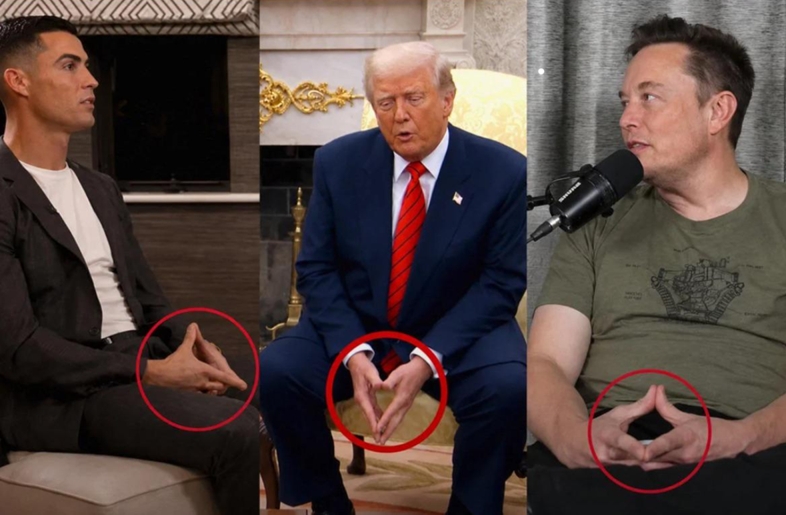
Trump does it. Musk does it. Ronaldo does it. Merkel basically built her chancellorship on it. The gesture has a name, and the strangest part is that blind children do it too.
A few of the people you have seen use this gesture in public:
Donald Trump, in nearly every Oval Office sit-down
Elon Musk, in long-form podcast interviews
Cristiano Ronaldo, in his Piers Morgan interviews
Angela Merkel, who used it so often it became her signature
By GazeIQ4 min readBody Language · Confidence
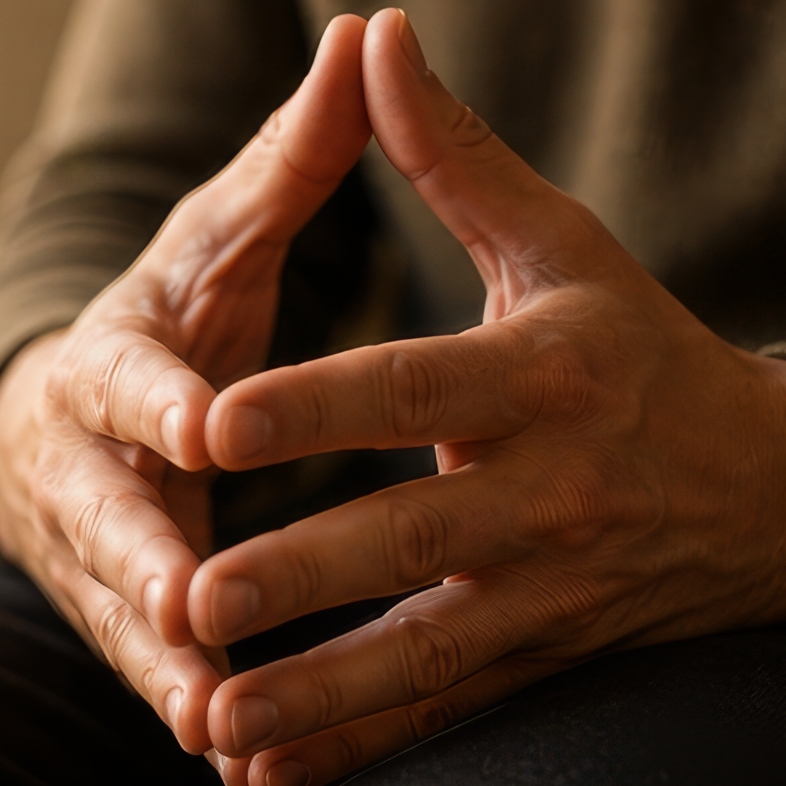
You have seen the pose. Fingertips pressed together, palms apart, hands resting in front of the chest or quietly on the lap. It looks staged because it kind of is. But not for the reason most people assume.
The gesture is called steepling. And the wild part is not that powerful people use it. The wild part is that we know it is not a learned trick, because children who have been blind since birth do it too.
Joe Navarro calls it the single most powerful gesture of confidence we have.
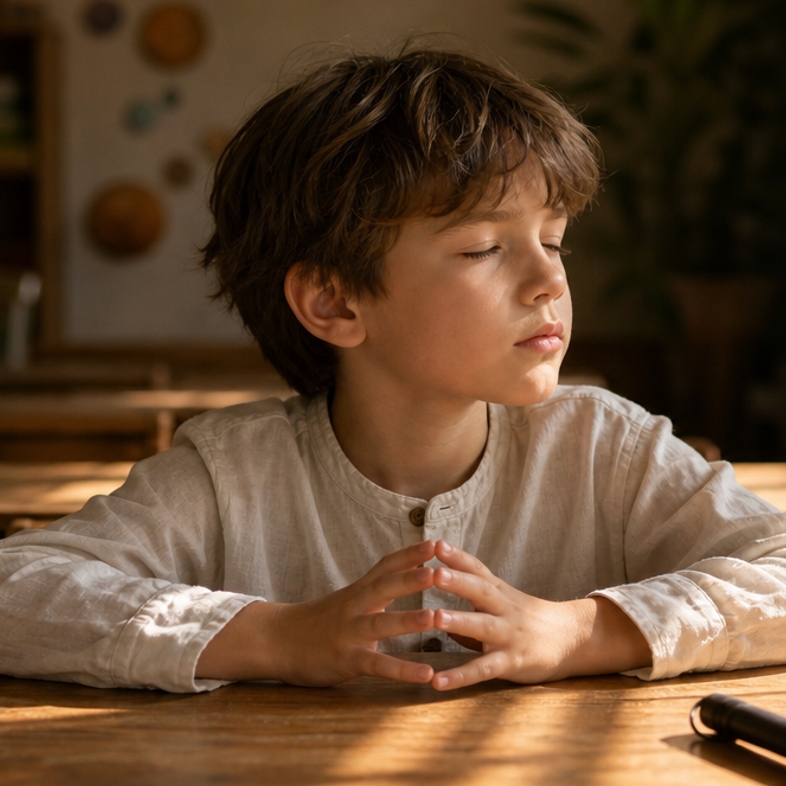
Joe Navarro, who spent twenty-five years in the FBI reading the bodies of spies and suspects, documented this in 1974. He watched congenitally blind children steeple their fingers in moments of certainty. They had never seen anyone do it. They had no media training. No image consultant. They simply did it, because the body uses this gesture to externalize one specific internal state.
I am sure of what I am thinking right now.
That is the whole signal. Not power. Not intelligence. Not dominance. Just certainty.
Which is why it can be misleading. Steepling tells you the person feels confident. It does not tell you they are correct.
In 1974, Navarro observed children who had been blind since birth steepling their fingers in moments of certainty. They had never seen anyone do it.
When you see someone steeple their fingers mid-conversation, they are not necessarily winning. They are showing you the exact moment they stopped doubting themselves. Sometimes that is earned. Sometimes it is pure self-belief outpacing the facts. The gesture does not know the difference, and neither do most viewers.
The reason it is everywhere in interviews, boardrooms, and oval offices is that it does two things at once. It quietly broadcasts certainty to the audience. And it gives the person doing it something stable to do with their hands, which kills the small fidgets that read as nervous.
Steepling says the speaker feels certain. It does not say they are correct.
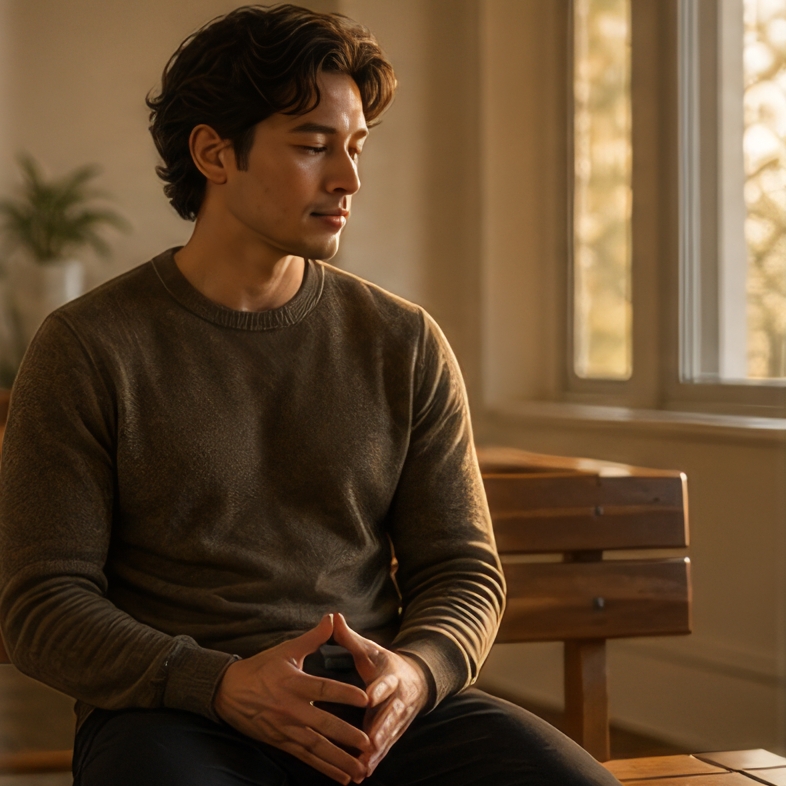
If you want to feel anchored before saying something you actually mean, rest just your fingertips together in your lap. Notice your shoulders drop.
If steepling feels unnatural or overstimulating for you, skip it. There is nothing in your body that owes anyone a performance. But if you want to feel a little more anchored before saying something you actually believe, try resting your fingertips together in your lap.
Notice when your shoulders drop. Notice when your voice slows. That is your nervous system reading your own posture and adjusting.
The body talks to itself first. Everyone else is just listening in.
What is a gesture you have caught yourself doing without ever meaning to?
Discover your social blind spot
Take the GazeIQ assessment and find out which communication pattern is quietly holding you back, in every room you walk into.