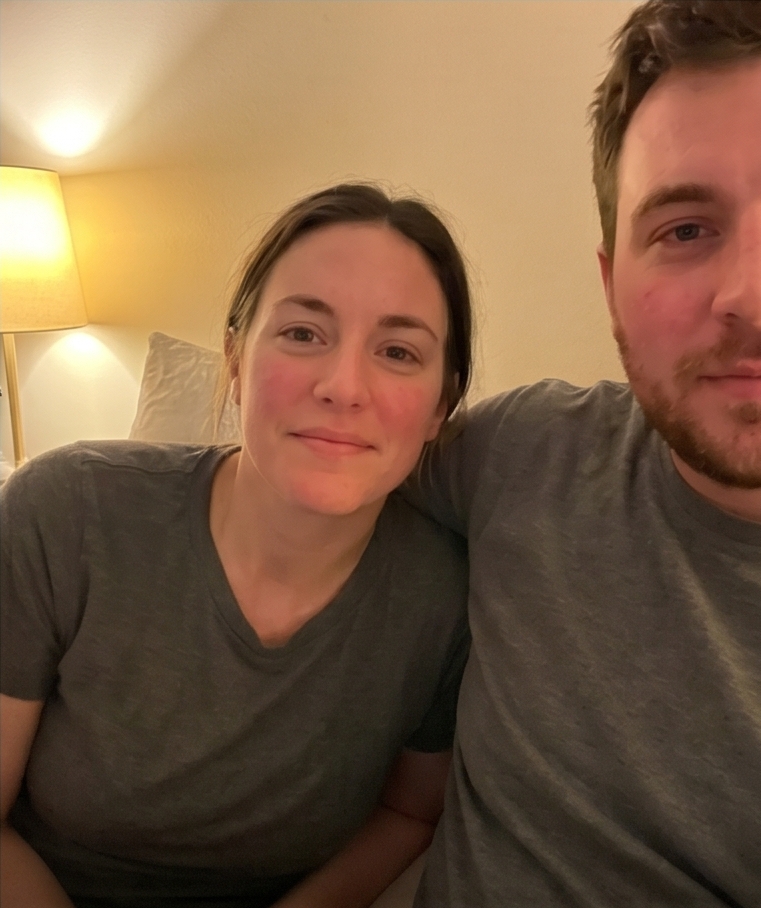
Joan Asked Her Husband to Hold Eye Contact for Four Minutes
Her husband lasted 45 seconds before he looked away. Neither of them expected what happened after that.
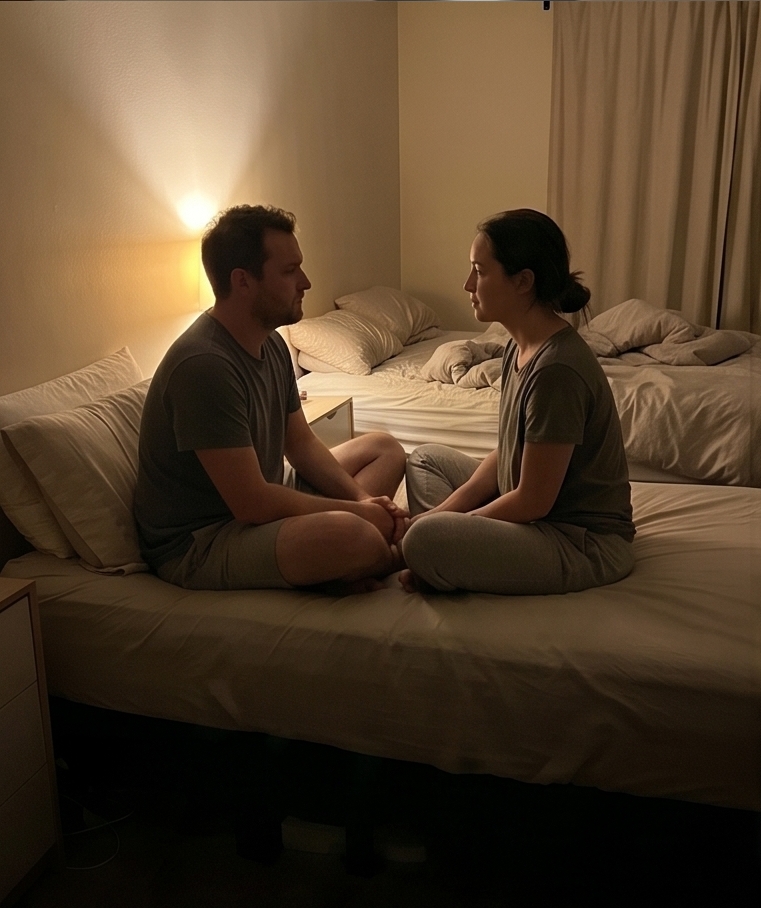
Joan's husband lasted about 45 seconds before he looked away. She had asked him to do something simple: sit across from her, no phones, and hold eye contact for four minutes. Most people assume they could manage it. Most people would be surprised.
Joan felt it almost immediately. Her nervous system lit up. She started narrating out loud because the silence felt unbearable. He told her to stop talking. She did and something shifted after that.
Her breathing slowed. Her shoulders dropped. The noise in her head quieted.

There is research behind why this happens. A 1989 Clark University study divided strangers into pairs and had some count blinks, some stare at hands, and some gaze directly into each other's eyes. The eye-gazing group reported the highest feelings of mutual affection and attraction. Follow-up work found that sustained mutual gaze can trigger the release of oxytocin and phenylethylamine, compounds the brain associates with bonding and attachment.
A more recent neuroimaging study found that prolonged eye contact produces measurable synchronization between two people's brain and body physiology. Their nervous systems begin to couple.
Sustained mutual gaze can trigger the brain's bonding chemistry. Their nervous systems begin to couple.
He looked away around the 45-second mark. Joan started talking to fill the silence. He told her to stop. She did. Something shifted after that.
Something moved in both of them. Her breathing slowed, her shoulders settled, and the ambient noise of an ordinary evening began to recede. They had not solved anything or said anything meaningful. They had simply stopped looking away from each other long enough for something else to enter which was hard for them to explain.

The research tends to leave out something worth saying clearly. Sustained mutual gaze depends entirely on the willing participation of both people. Some individuals find prolonged eye contact overstimulating or dysregulating, and that response reflects a genuine difference in how nervous systems are wired rather than a sign of anything missing. Genuine connection does not come from endurance.
When it works, though, it works in a way that almost nothing else does.
All in all, they both felt more connected at the end. The whole experiment took four minutes. No devices, no agenda, nothing to fill the silence except the choice to stay with it.
When was the last time you gave someone your full, uninterrupted gaze?